fathers
-

I remember the birth because it was winter. I remember the smell of disinfectant, and Peter’s hands, warm and steady, holding mine. I remember feeling nothing and thinking that must be what peace was. They said she was small, fragile. He called her perfect. I told myself I’d given him a gift. I said it…
-

There was a time when the phrase “a good man” carried moral weight. It did not mean a harmless man, nor a man subdued by guilt or fashion, but a man who had learned to master his own capacity for destruction. A good man was dangerous, disciplined, and devoted. He could protect without posturing, and…
-

I told myself I was trying. That was the word I clung to – trying. A good house, a lovely baby, and a man who worked because he loved us. But each evening I felt the walls move closer, until I was phoning the police because the dark was unbearable. Hospitals too. I wanted someone…
-
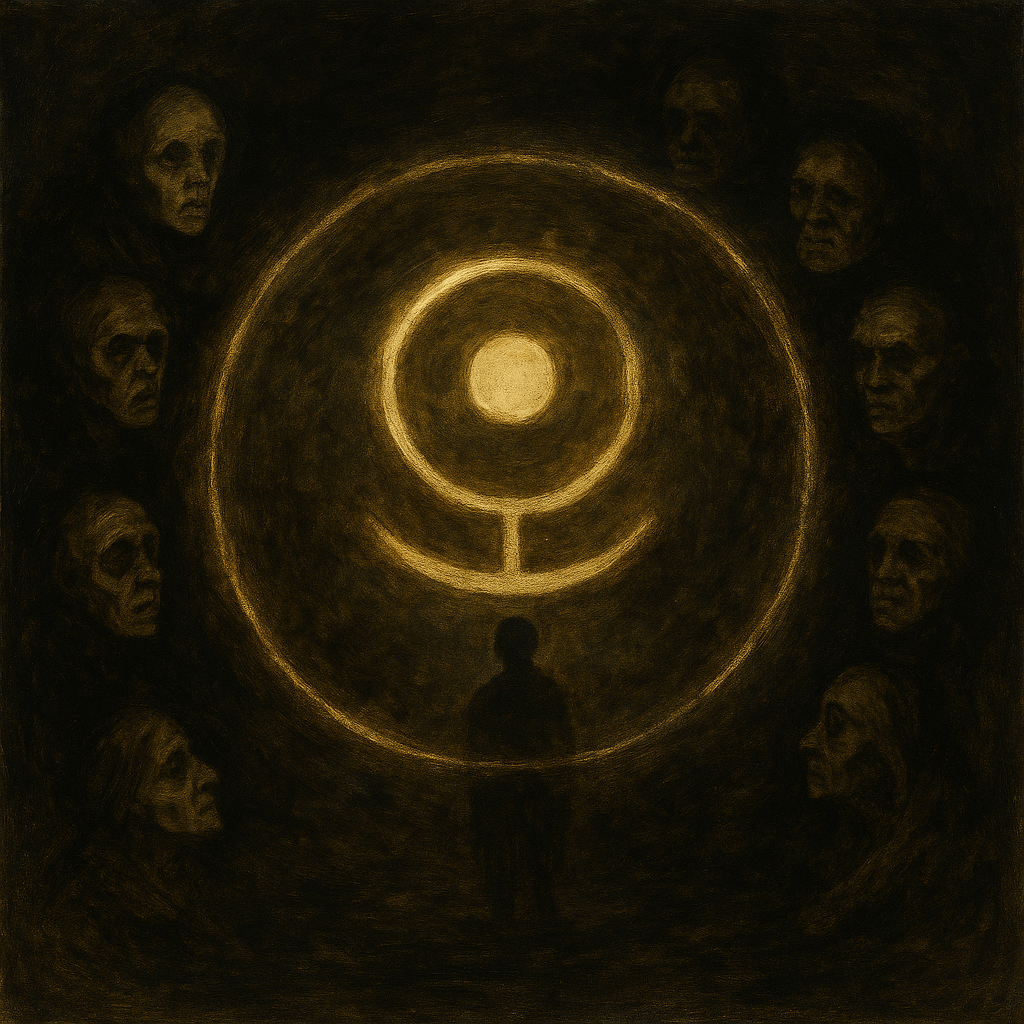
A curious paradox runs through the modern obsession with “boundaries.” On the one hand, the word has entered the lexicon of therapy culture like a sacrament, invoked with the reverence once reserved for virtues like patience or forgiveness. On the other hand, it has been cheapened, claimed by the woke movement as a shield against…
-
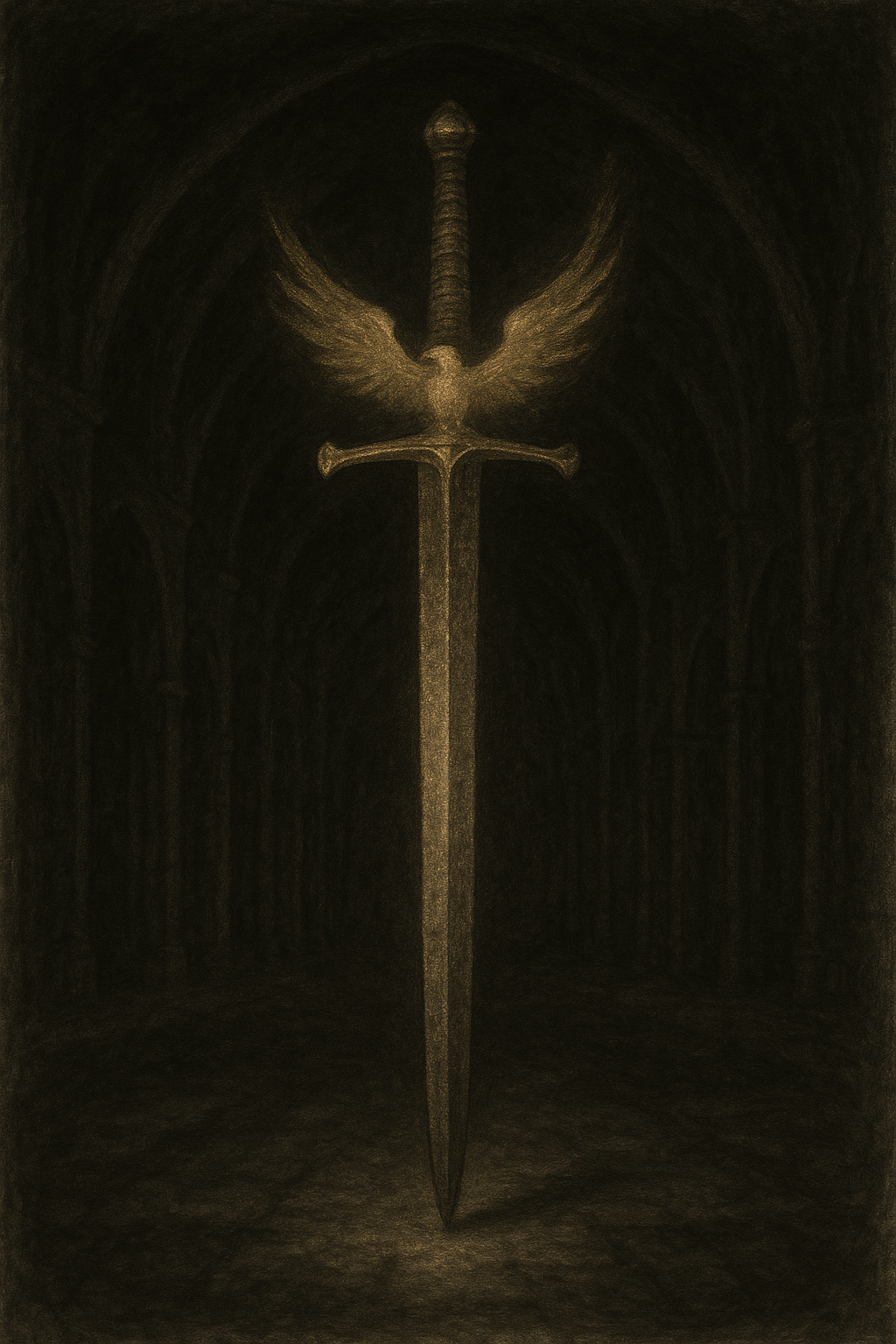
Every divorce spawns three stories: his, hers, and the child’s. Each is stitched together from fragments of memory, grievance, and hope. And each claims the mantle of truth. The father’s voice speaks of betrayal. He sees manipulation in every delay, every “maybe later” whispered down the line of a phone that never rings. He feels…
-
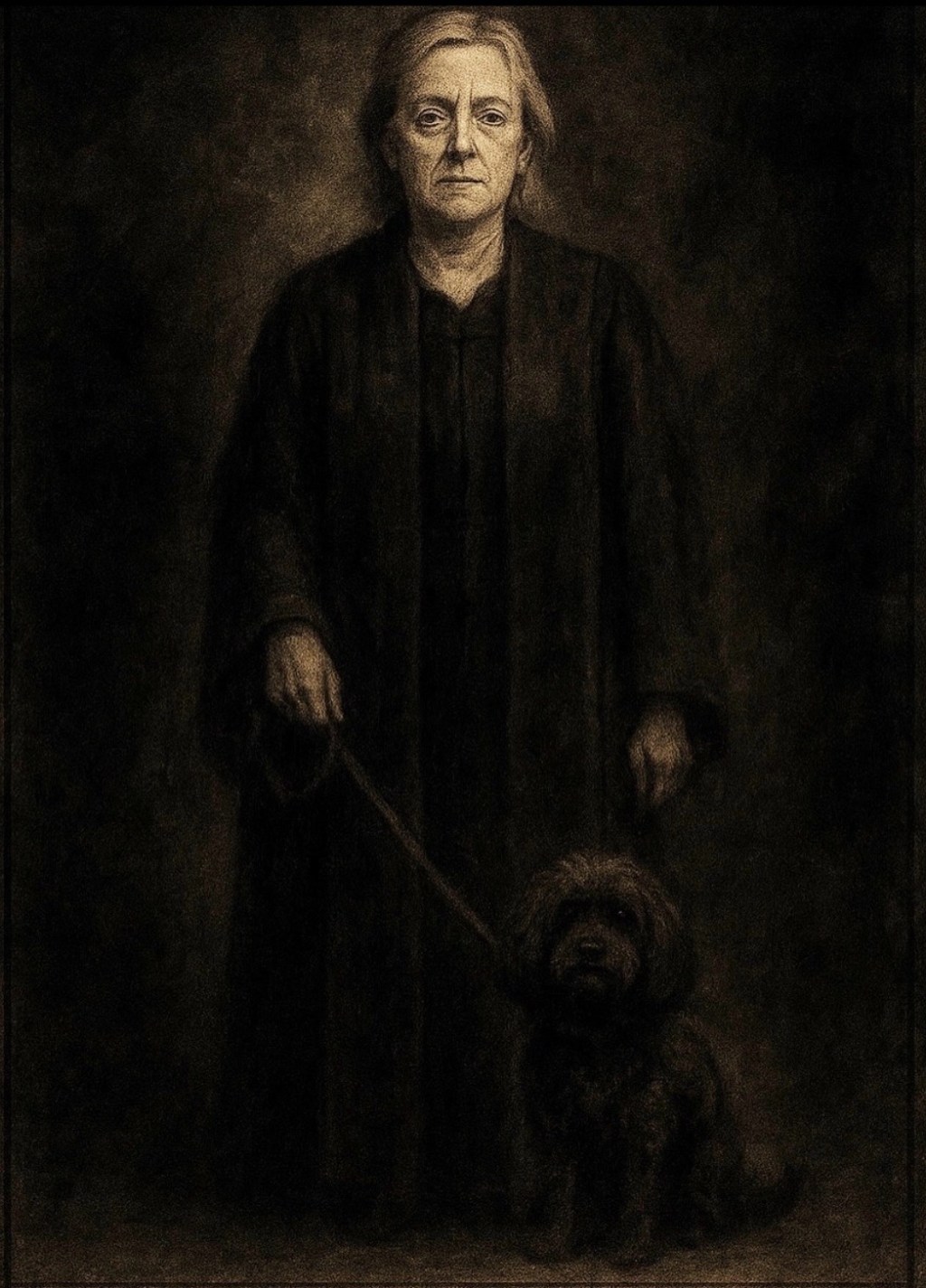
I didn’t expect him to say thank you. But I thought he might see what I was trying to do. I arrived early. Always do. Old habit from court. Always be early, always observe the room before you’re observed. The café was sterile, unmodern, one of those places that pretends to be warm but smells…
-
There is a silence that precedes distortion…an eerie stillness, not unlike the hush before the hunter’s arrow finds its mark. In cases of psychological alienation, especially those born from maternal betrayal, the silence is never benign. It is structured. Operative. A veil drawn across the soul’s eyes. It is in that silence that memory begins…
-
I thought I understood love. At least, I had mimicked the posture of it. I’d held hands, spoken vows, walked the straight line of domestic duty. I had smiled in photographs and stood still in kitchens with the weight of a thousand invisible expectations pressing against my chest. But when I met her, I realised…
-
Survivor’s guilt is not some abstract post-traumatic affliction best quarantined in DSM footnotes. It is a structural response to a fundamental human experience: the proximity of death, coupled with the unbearable weight of continuing to exist. Non quia interfeci, sed quia superfui.Et hoc crimen nemo audivit, nisi ego. When you’re a child, and the one…
-
He is no longer just a man. He is a diagram. An intersection of roles: Husband, Father, Stepfather, part-time Custodian, full-time Protector. (Son?) Keeper of calm, absorber of blame, receiver of news after the fact. He exists in margins— between court orders and weekend bag zips, between birthday cake and utility bills, between the memory…
 Reade Saunders