abandonment
-

I remember the birth because it was winter. I remember the smell of disinfectant, and Peter’s hands, warm and steady, holding mine. I remember feeling nothing and thinking that must be what peace was. They said she was small, fragile. He called her perfect. I told myself I’d given him a gift. I said it…
-

There was a time when the phrase “a good man” carried moral weight. It did not mean a harmless man, nor a man subdued by guilt or fashion, but a man who had learned to master his own capacity for destruction. A good man was dangerous, disciplined, and devoted. He could protect without posturing, and…
-

She was born beneath a silence, her first breath woven through with forgetting. They pressed a story into her skin, but the ink dissolved before it dried. She drank Lethe in her mother’s arms, unwitting, unknowing, learning the taste of absence as nourishment. Her lullabies were pauses, her cradle padded with omissions. Two fathers circled…
-

I call them the good years. I have always called them that. Beaming as though your brightness were my achievement. Perhaps it was. I left too many silences in my wake, so you filled them with pride on my behalf. It was easier that way. D had remarried. She hated me, her eyes narrowed whenever…
-

I told myself I was trying. That was the word I clung to – trying. A good house, a lovely baby, and a man who worked because he loved us. But each evening I felt the walls move closer, until I was phoning the police because the dark was unbearable. Hospitals too. I wanted someone…
-
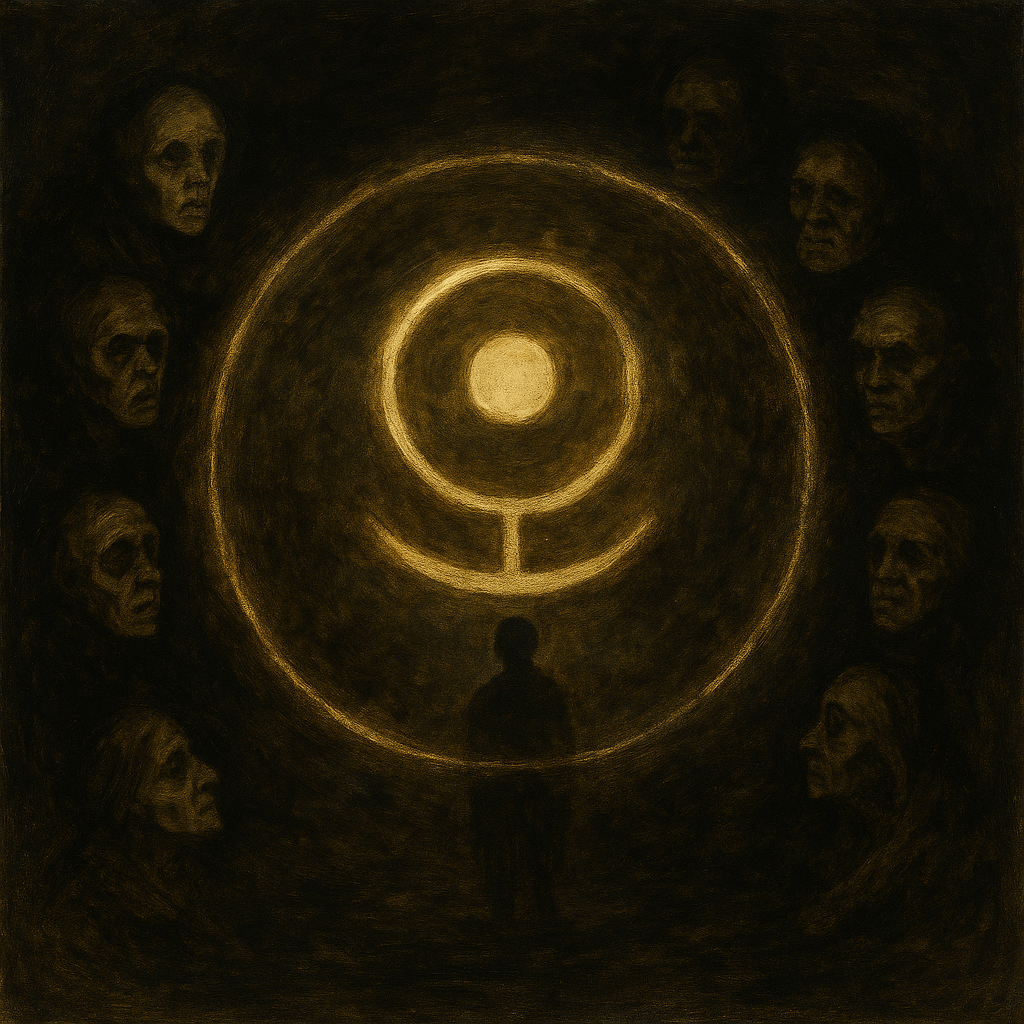
A curious paradox runs through the modern obsession with “boundaries.” On the one hand, the word has entered the lexicon of therapy culture like a sacrament, invoked with the reverence once reserved for virtues like patience or forgiveness. On the other hand, it has been cheapened, claimed by the woke movement as a shield against…
-
I find myself writing to you today, on the evening of my birthday, with your manuscript resting heavily beside me. It is not a gift in any ordinary sense, yet it is a gift nonetheless: a mirror, unflinching, unsentimental, and – at times – merciless. I have read what you have written. It is, of…
-
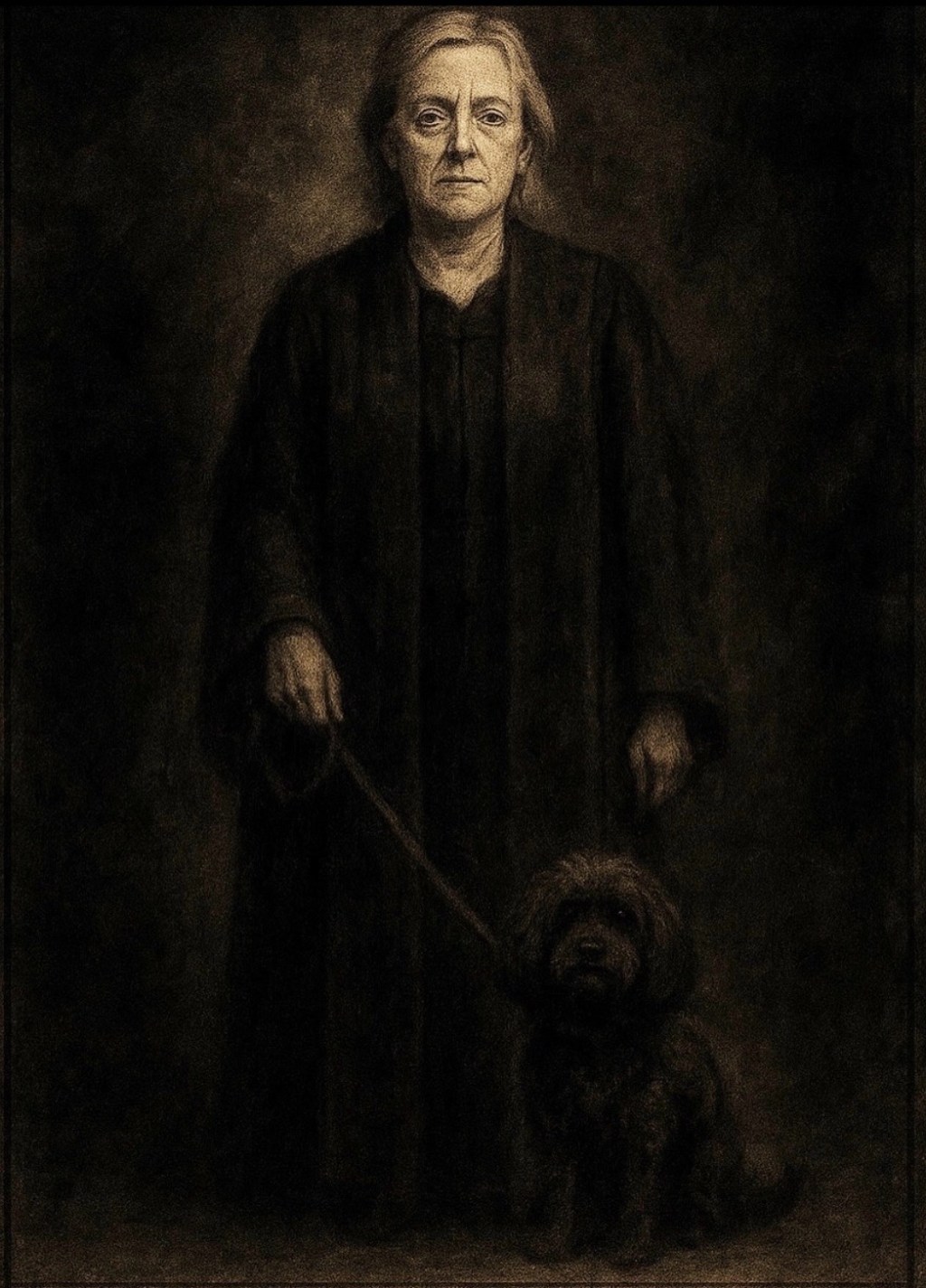
I didn’t expect him to say thank you. But I thought he might see what I was trying to do. I arrived early. Always do. Old habit from court. Always be early, always observe the room before you’re observed. The café was sterile, unmodern, one of those places that pretends to be warm but smells…
-
Survivor’s guilt is not some abstract post-traumatic affliction best quarantined in DSM footnotes. It is a structural response to a fundamental human experience: the proximity of death, coupled with the unbearable weight of continuing to exist. Non quia interfeci, sed quia superfui.Et hoc crimen nemo audivit, nisi ego. When you’re a child, and the one…
-
He didn’t remember being sent away.He remembered the not-coming-back. The trunk shut. The room went quiet. A boy became a border. At age six, a child cannot conceptualise abandonment. Not yet. What they feel instead is dislocation—a wordless confusion about where home ends and why love must sometimes be scheduled. He was a weekly boarder.…
 Reade Saunders